For help with rennet or to purchase rennet, please contact Elaine
Rennet for Cheese Making in South Africa

Rennet for Cheese Making in South Africa: The Complete Guide to Choosing and Using Cheese Rennet
If you want to make cheese successfully, one ingredient is essential: rennet. Whether you are a home cheesemaker, an artisan producer, or someone interested in taking a cheese making course in South Africa, understanding rennet for cheese-making is fundamental to producing good cheese.
Many people search online for terms like cheese rennet, where to buy rennet, liquid rennet, or vegetable rennet, but few truly understand what rennet does and how it works. In this guide, we will explain what rennet is, how it works in milk, the different types available, and how to choose the best rennet for mozzarella, feta, or artisan cheese.
This article will also help you understand where to buy rennet in South Africa, how much rennet to use, and what alternatives exist if you want to make cheese without rennet.
What Is Rennet in Cheese Making?
Rennet is an enzyme used to coagulate milk, transforming it from liquid milk into solid curds and liquid whey. This process is known as rennet coagulation, and it is the most important step in the production of most cheeses.
The primary enzyme in cheese rennet is chymosin, which works by breaking down casein proteins in milk. Once these proteins are destabilized, they bond together and form a gel structure. This gel traps fat and moisture, creating the curds that will eventually become cheese.
Without rennet, milk cannot properly form the firm curd structure needed for most cheeses. This is why rennet is widely used in the production of cheeses such as:
- Mozzarella
- Cheddar
- Gouda
- Parmesan
- Provolone
- Pecorino
Because of its importance, many beginner cheesemakers ask what is rennet in cheese making and how rennet works in milk. Understanding this enzyme will dramatically improve your success in making cheese.
Why Rennet Is Essential for Cheese Making
The role of rennet for cheese making is simple but powerful. It triggers the transformation of milk proteins into a solid network that can be cut, heated, and shaped.
When rennet is added to milk:
- The enzyme breaks down casein proteins.
- Casein micelles destabilize.
- A gel network forms.
- Milk separates into curds and whey.
This is known as the rennet coagulation process.
If the rennet is too weak, too old, or used incorrectly, the milk may not set properly. This leads to common problems that people often search online for, such as:
- Why milk won’t set with rennet
- Weak curds during cheese making
- Troubleshooting rennet coagulation
Using the correct cheese making rennet and the proper dosage is essential for achieving consistent results.
Types of Rennet Used in Cheese Making
When people search for cheese making rennet for sale, they usually encounter several different types. Each has advantages depending on the type of cheese being produced.
Animal Rennet (Calf Rennet)
Traditional rennet comes from the stomach lining of young calves. This type of rennet contains natural chymosin and produces excellent cheese texture and flavor.
Many traditional cheeses use calf rennet for cheese making, especially European cheeses such as:
- Parmigiano Reggiano
- Pecorino
- Grana Padano
Animal rennet is often considered the gold standard for artisan cheesemaking.
However, it is not vegetarian, which is why many cheesemakers look for vegetarian rennet for cheese making.
Microbial Rennet
Microbial rennet is produced by fermenting certain fungi or bacteria that produce enzymes similar to chymosin.
It is widely used in commercial cheese production because it is:
- Affordable
- Consistent
- Suitable for vegetarian cheese
Many cheesemakers search for microbial rennet supplier when sourcing ingredients for commercial production.
Vegetable Rennet
Vegetable rennet comes from plant enzymes. Certain plants naturally contain enzymes that coagulate milk.
Common plant sources include:
- Thistle
- Fig sap
- Cardoon
Vegetable rennet is often used in Mediterranean cheeses and is popular among those who prefer plant-based ingredients.
If you are looking for vegetable rennet South Africa, several cheese supply stores offer this option.
Liquid Rennet vs Powdered Rennet
Another common question is the difference between liquid rennet and powdered rennet.
Liquid Rennet
Liquid rennet is the most commonly used form for home cheesemaking.
Advantages include:
- Easy to measure
- Dissolves quickly in water
- Produces consistent curds
Many beginners prefer liquid rennet for cheese making because it can be measured out with a graduated jug/cup.
Powdered Rennet
Powdered rennet has a longer shelf life and is often preferred in commercial environments.
Advantages include:
- Long storage stability
- Easy shipping
- Precise dosing
However, powdered rennet must be dissolved before adding it to milk, and a scale will be needed to weigh it, if not pre-portioned in tablets or otherwise.
Rennet Tablets
Some suppliers sell rennet tablets for cheese making, which dissolve in water before use. These are common in home cheesemaking kits.
How Much Rennet Should You Use?
One of the most common questions people ask is how much rennet for cheese making.
The answer depends on several factors:
- Type of cheese
- Milk composition
- Temperature
- Strength of the rennet
A typical guideline is:
- 2–3 ml liquid rennet per 10 liters of milk
However, cheeses such as mozzarella may require slightly different dosing depending on the recipe.
Using too much rennet can cause:
- Bitter flavor
- Tough curds
Using too little rennet can result in weak curds and slow coagulation.
If we use the IMCU(international Milk Clotting Units) on, then we usually aim for 30-40 IMCU/liter of milk. Thus, if I have 600 IMCU liquid rennet and I need to set 100 liters of milk, I will be at the 30 IMCU level: 100 liters x 30 IMCU = 3000 IMCU needed in total. 3000/600 = 5 ml of the 600 IMCU strength rennet is needed.
Best Rennet for Mozzarella
Many beginners search for best rennet for mozzarella because mozzarella requires strong, clean coagulation.
Mozzarella works best with:
- Liquid rennet
- High activity microbial rennet
- Fresh rennet enzyme
Using good quality rennet enzyme ensures strong curd formation, which is critical for stretching mozzarella curds.
Can You Make Cheese Without Rennet?
Another popular search query is how to make cheese without rennet.
While most cheeses require rennet, some fresh cheeses use acid instead.
Examples include:
- Paneer
- Ricotta
- Queso blanco
These cheeses use acid coagulation instead of the rennet coagulation process.
However, acid-coagulated cheeses usually have:
- Different texture
- Lower yield
- Less elasticity
This is why most traditional cheeses rely on rennet cheese making methods.
Rennet vs Citric Acid Cheese Making
People often search rennet vs citric acid cheese making when deciding how to coagulate milk.
Rennet coagulation
Produces:
- Elastic curds
- High yield
- Traditional cheese textures
Acid coagulation
Produces:
- Softer curds
- Simpler cheese
- Faster process
For cheeses like mozzarella, rennet gives far superior results.
Where to Buy Rennet in South Africa
https://cheesemaking.co.za/shop
Many people search where to buy rennet for cheese making or buy rennet South Africa.
Fortunately, cheesemaking ingredients are becoming easier to find.
Typical places to buy rennet include:
- Cheese-making supply stores
- Dairy ingredient distributors
- Online cheese ingredient shops
- Cheesemaking course providers
You can usually find:
- Liquid rennet South Africa
- Vegetable rennet South Africa
- Microbial rennet suppliers
- Cheese making kits with rennet
When buying rennet, always check:
- Expiry date
- Storage conditions
- Enzyme strength
Fresh rennet produces the best curds.
Cheese Making Ingredients That Work With Rennet
Rennet is rarely used alone. Most cheesemakers combine it with other ingredients.
Common cheese making ingredients include:
- Starter cultures
- Calcium chloride
- Lipase
- Salt
- Milk
Many beginners purchase a beginner cheese making kit with rennet which includes all the essential ingredients.
These kits are excellent for people taking a learn cheese making course or experimenting at home.
Cheese Making Supplies in South Africa
If you want to start making cheese at home or professionally, you will need more than just rennet.
Common cheese making supplies South Africa include:
- Cheese molds
- Cheese presses
- Thermometers
- pH meters
- Starter cultures
- Rennet enzyme
Many artisan producers source these supplies locally or online.
Buy from: cheesemaking.co.za/shop
Tips for Successful Rennet Coagulation
To ensure strong curds when using cheese rennet, follow these best practices:
Use Fresh Milk
High-quality milk improves coagulation and yield.
Maintain Proper Temperature
Most cheeses coagulate best between 30–37°C.
Dilute Rennet Before Adding
Always dilute rennet in cool water before adding it to milk.
Mix Gently
Over-mixing can disrupt curd formation.
Allow Enough Time
Proper coagulation usually takes 30–45 minutes.
Why Rennet Is the Heart of Cheesemaking
Rennet has been used in cheese-making for thousands of years. It is the enzyme responsible for transforming milk into one of the world’s most beloved foods.
Whether you are making mozzarella, cheddar, gouda, or artisan cheeses, cheese-making rennet remains the key ingredient that starts the entire process.
Understanding:
- What rennet is in cheese making
- How rennet works in milk
- How much rennet to use
- Where to buy rennet in South Africa
will dramatically improve your cheesemaking results.
Final Thoughts
If you want to make great cheese, learning how to use rennet for cheese making is essential. From liquid rennet and powdered rennet to vegetable rennet and microbial rennet, there are many options available depending on your goals.
Whether you are a home hobbyist or a professional cheesemaker, using the right rennet enzyme and proper techniques will ensure strong curds, excellent texture, and delicious cheese.
Landbou Radio – Nov 2022 – 1st interview
Gerda le Roux van Landbou Radio praat met my oor die beginsels van kaasmaak, kulture en rennet en elkeen se funksie en toepassing in die proses van kaasmaak.
Gerda le Roux from Landbou Radio talks to me regarding the principles of cheese making, cheese cultures and rennet and the function and application of each in the cheese making process.
Buy cheese making kits and ingredients from:
Rennet does work, even with antibiotic in milk
Ons gesels met Landbou Radio oor ons volgende 2019 kaas kursusse in die Vrystaat en Kaap
Kaaskursusse Suid Afrika
Cheese Courses South Africa
Buy rennet in USA and Canada
Cheese Course, Black Fox Restaurant, Harties NW, Feb 2017
Cheese Course, DunElm Guest Farm, Clarens FS, Feb 2017
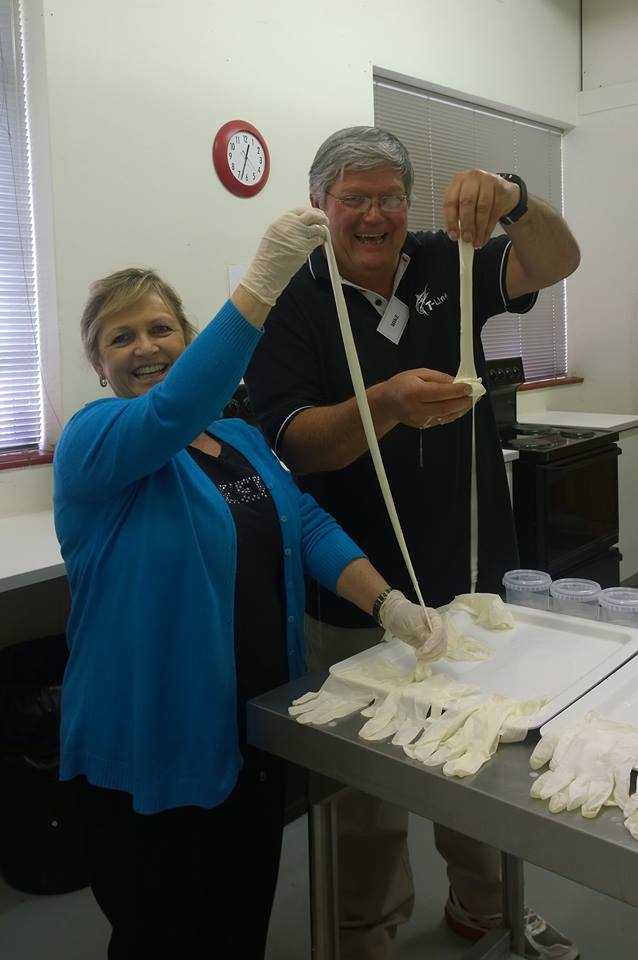
Cheese Making Course using our rennet
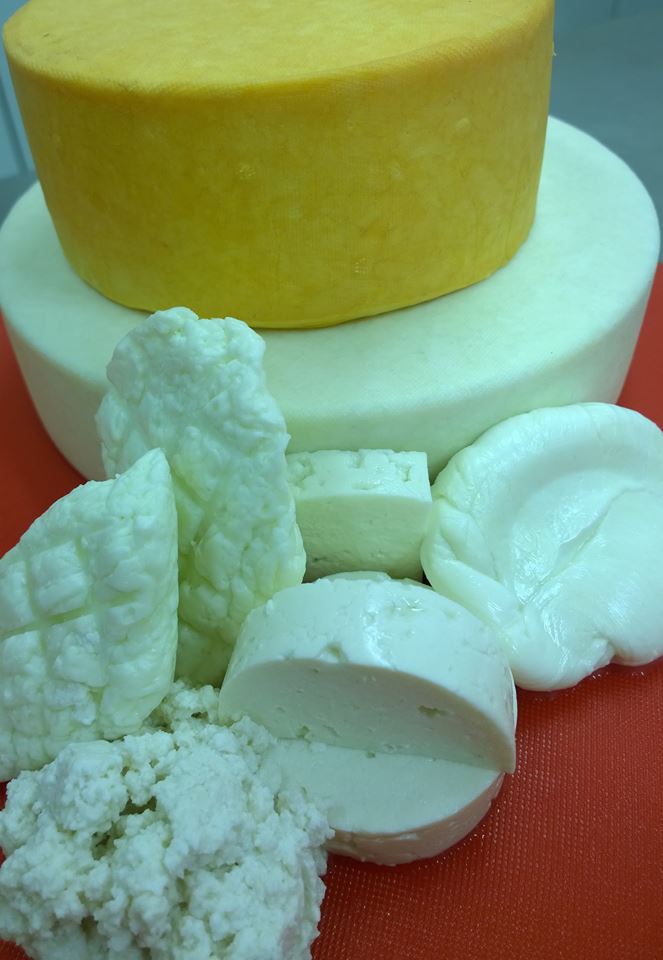

You can now buy rennet directly from the online shop in South Africa!
Hi, Cheese Making Fans
Buy Rennet
directly from the online shop in South Africa at:
http://cheesemaking.co.za/shop/10-rennet-south-africa

Regards,
Leon
http://www.answers.com/Q/Where_can_you_buy_rennet_tablets_in_south_Africa
Rennet Suppliers South Africa – Buy Rennet
https://rennet.co.za
For cheese making questions please mail Elaine on info@cheesemaking.co.za
For other cheese-making ingredients and supplies as well as cheese-making kits, please visit https://cheesemaking.co.za/shop – search bar top right
• rennet tablets dischem • rsa where to buy rennet tablets • buy rennet South Africa rennet South Africa • buy rennet at clicks • rennet for cheese making South Africa • how much is rennet in Durban • rennet tablets • dischem rennet rennet near me rennet halal rennet cape town rennet cheese
Rennet for Slow Food Cheese
http://slowfoodcapetown.co.za/suppliers/cheese/rennet/
In cheese making we do get an acid set in some cheeses, but this is not always convenient or desirable and some cheese do require earlier coagulation, like sweet milk cheeses for example.
Rennet is a curdling agent and enzyme that acts on the milk protein casein, causing separation of the milk into solid curds and liquid whey.
Some soft acid set cheese, for example, need a very small amount of rennet with an long, extended setting time for acid formation from the cultures as well, otherwise they will go rubbery. This then also means that the longer the ripening time with the culture, and thus the more acid has formed, the shorter the setting time. So rennet is a stomach enzyme and thus performs much better in an acid environment.
Several proteinases will coagulate milk under suitable conditions of pH, temperature, dosage, available calcium and protein, etc., but a lot of them are just too proteolytic according to their milk clotting activity. In most cheeses the main job of rennet is to coagulate the milk, so that it can be cut and drained from most of its moisture to preserve it. After that we do not really want the proteolytic – protein breakdown – to continue. Too much proteolytic activity from the curdling enzyme can cause defects, like bitterness in the cheese, as well as texture faults.
Animal rennet or chymosin is prepared by extracting the dried and/or salted gastric tissue with 10% sodium chloride and activating and sterilising the extract. Usually we find that as the animal ages the more pepsin and the less rennet/chymosin is in the stomach. So rennet from a young calf can be 96% chymosin, but from an older animal can be 20% or even less chymosin.
So although some plant proteinases, like fig juice, nettle extract and paw-paw juice has been used for some cheeses in some cultures, it is predominantly rennet from animals that have been used.
In recent decades these animal based rennets have been substituted to a large degree with microbial rennets from GMO and non-GMO origins. GMO sources resemble animal rennet exactly as can be expected, but the non-GMO microbial rennet does not actually structurally or chemically resemble actual rennet or chymosin – it is just another enzyme with the ability to curdle milk.
Rennet gelation of milk involves the conversion of milk from a colloidal dispersion of stable micelles to a network of aggregated paracasein micelles in a continuous phase entrapping fat and moisture in its pores.
Rennet – Cape Town – Johannesburg, Gauteng – South Africa